


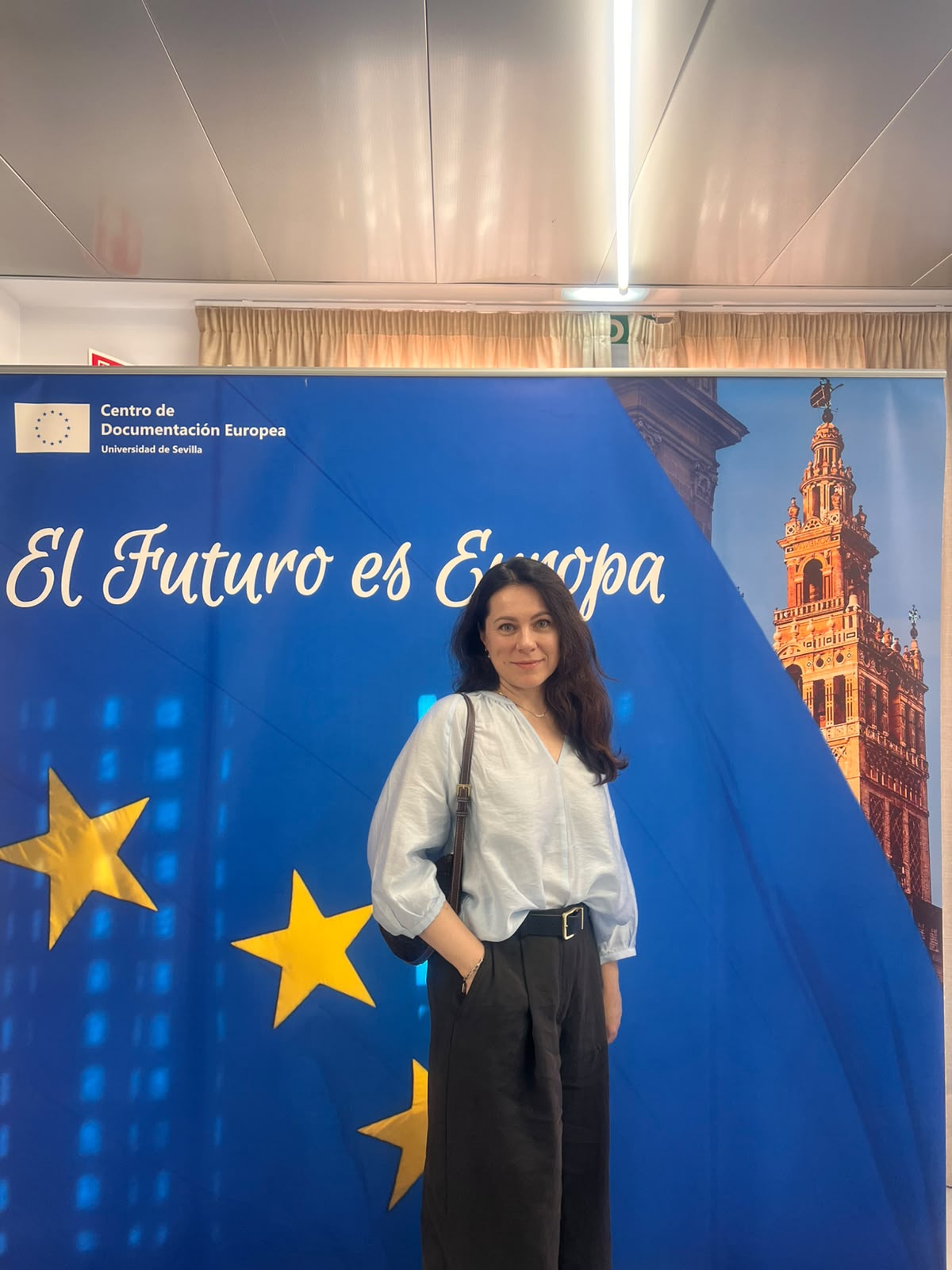
Olena Mykhailovska, a professor in the Oleh Balatskyi Department of Management and a Doctor of Public Administration, attended two events hosted by the Centre for European Documentation (CDE) at the University of Seville. The Centre is part of the European Commission’s Europe Direct network. For Ukraine, as a candidate for EU accession, these topics are particularly relevant.
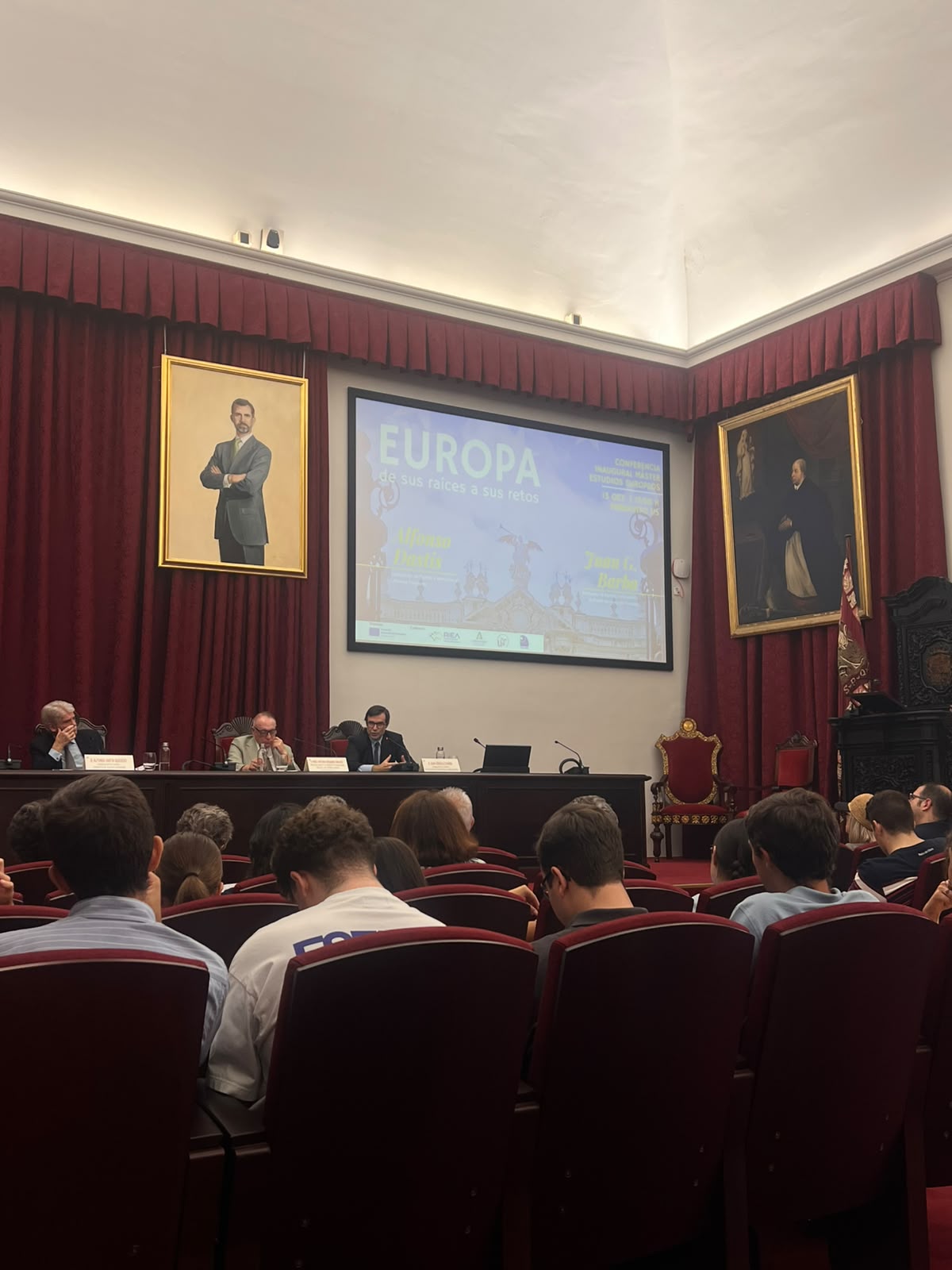
October 13: The conference “Europe: From Origins to Challenges” focused on the ideas and values underpinning the European project, as well as the challenges the Union faces today. Speakers included Alfonso Dastis, a Spanish ambassador and former Minister of Foreign Affairs, and Juan G. Barba, a Spanish ambassador and former Secretary of State for the European Union.
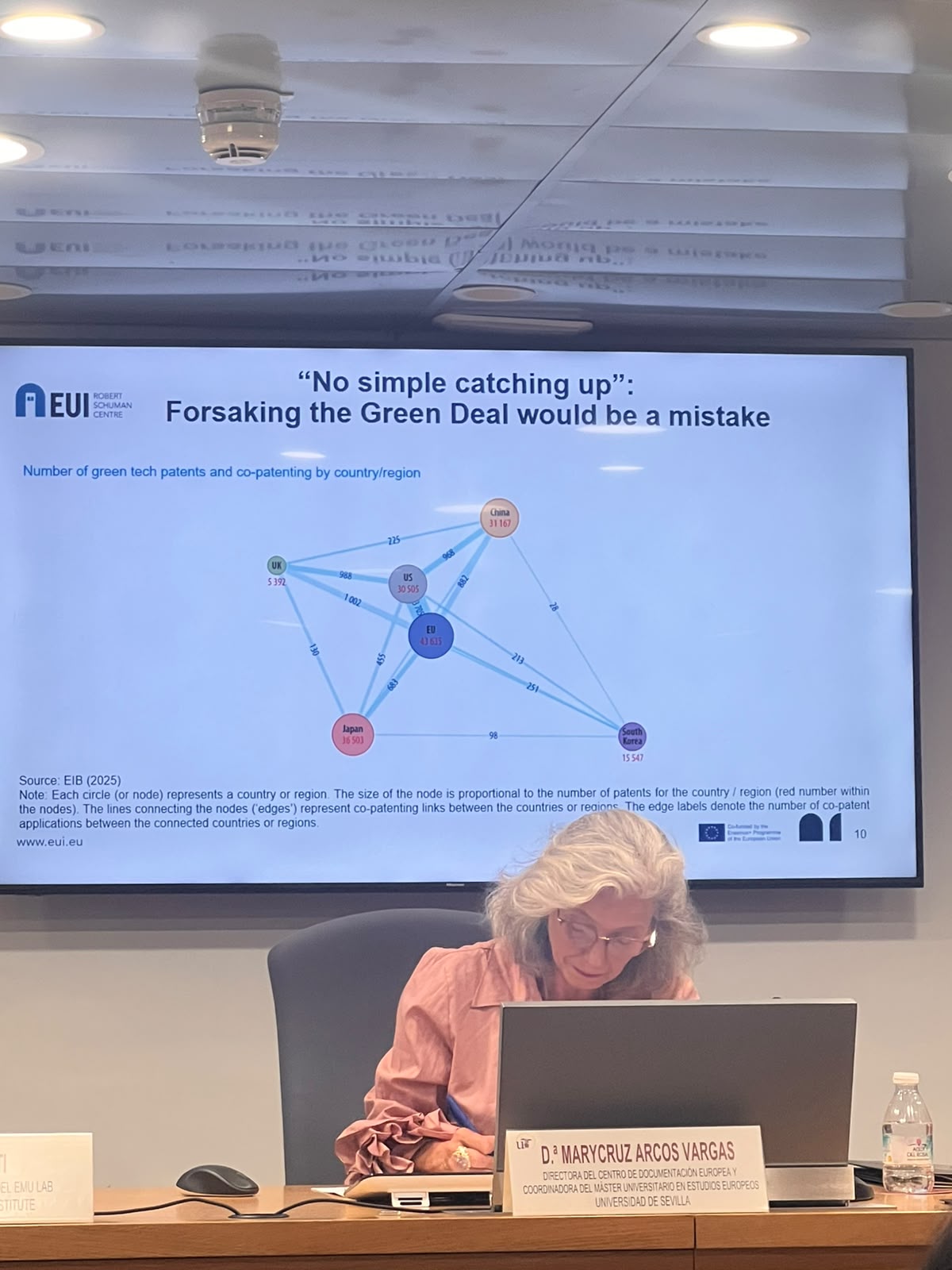
October 16: The presentation of the Florence Report 2026. This event was organized by the University of Seville’s CDE, the European Commission’s Joint Research Centre (JRC), and the EMU Lab at the European University Institute. The Florence Report is the EMU Lab’s flagship publication analyzing the EU’s Economic and Monetary Union. The report was presented by its coordinator, Marco Buti—an economist and former Director-General for Economic and Financial Affairs (DG ECFIN) at the European Commission. This was followed by a discussion between Buti and Joaquín Almunia, a former Vice-President of the European Commission and European Commissioner for Economic and Monetary Affairs and Competition. The discussion was moderated by Marycruz Arcos, Director of the CDE at the University of Seville.
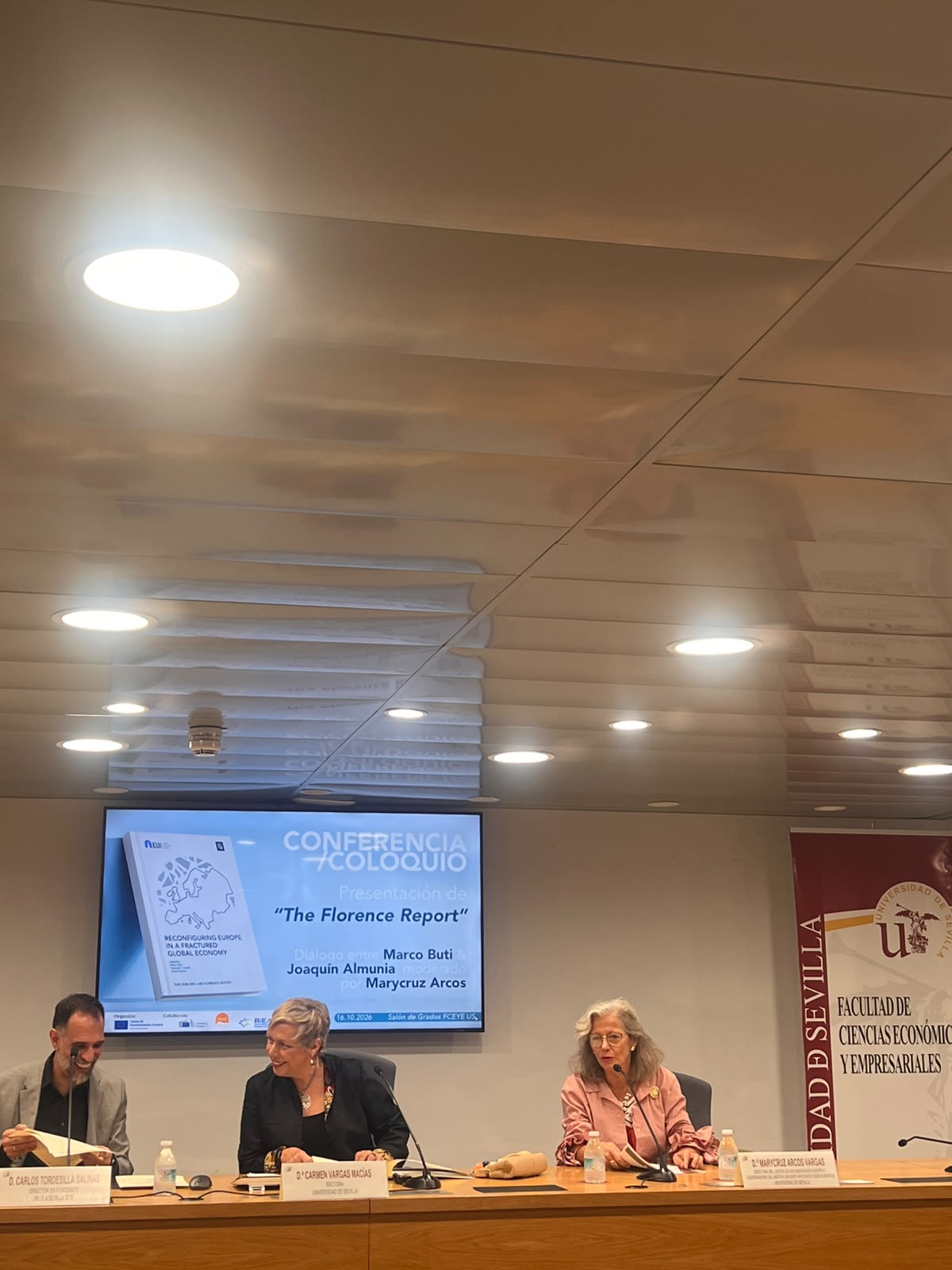
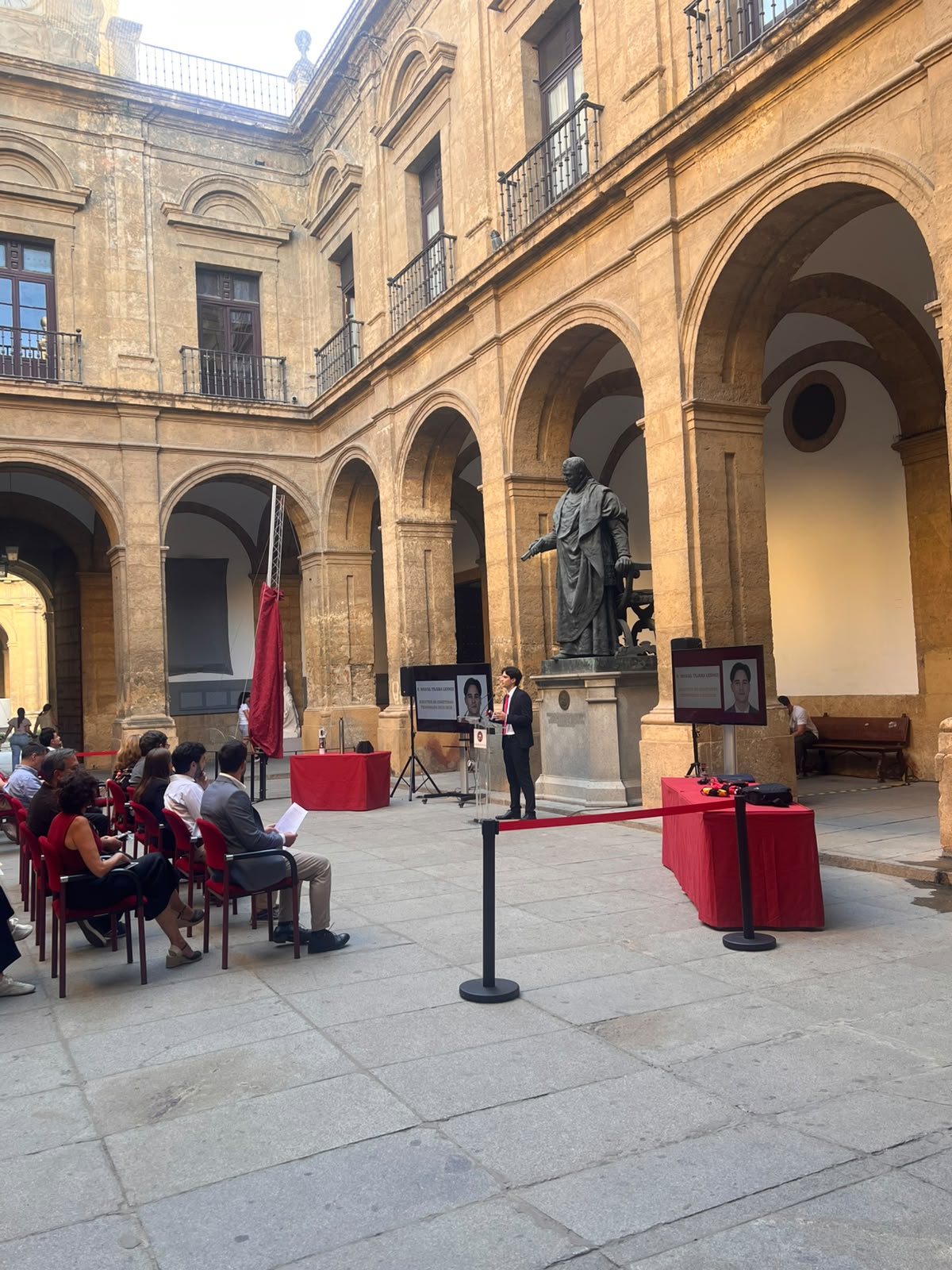
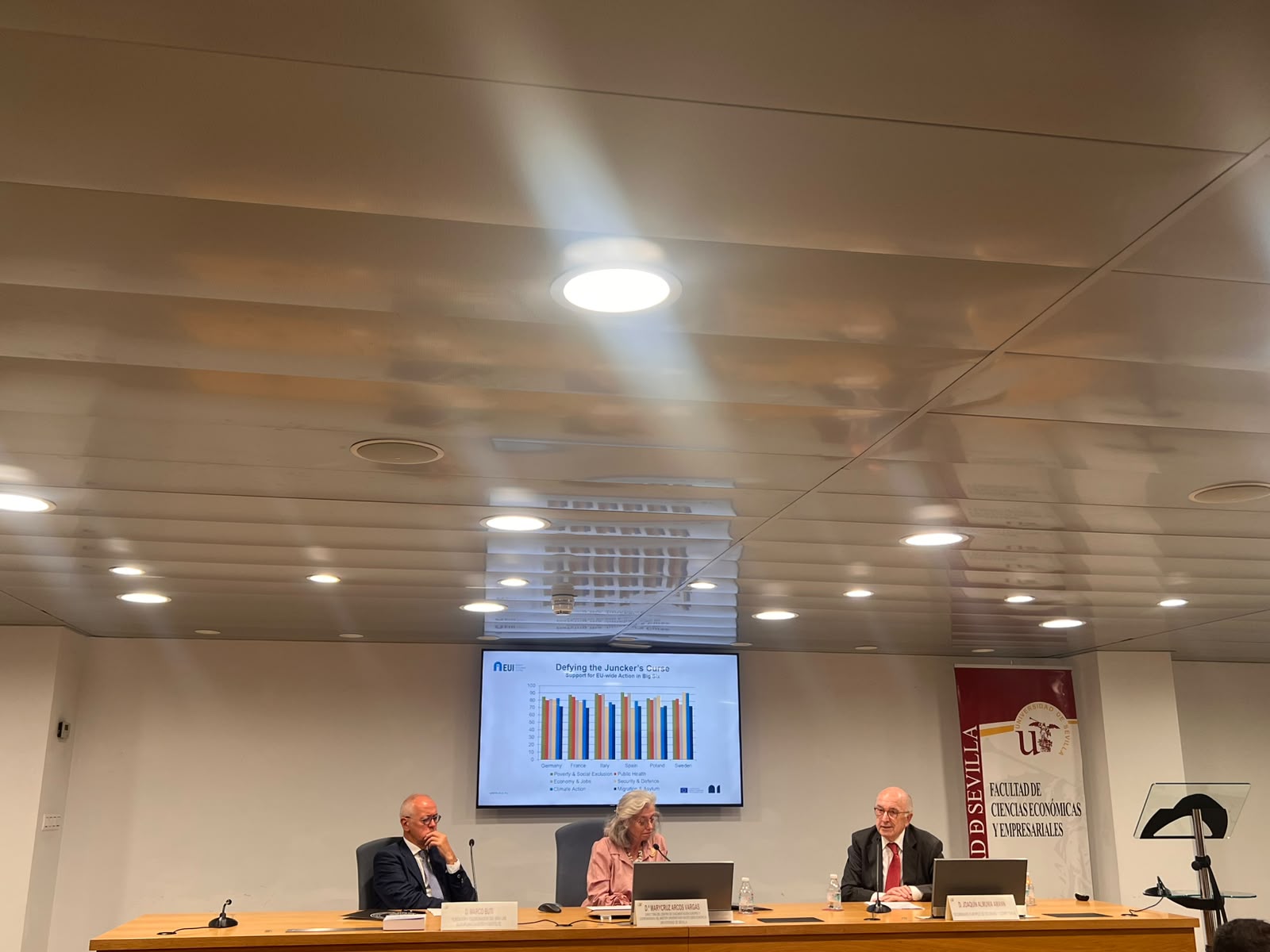



Discussions on the foundations of European integration and the future of the Economic and Monetary Union provide valuable interdisciplinary material for courses in public administration and European integration. These topics also open avenues for joint research with European partners, particularly regarding governance and Ukraine’s institutional adaptation during the EU accession process.
For Ukraine, as it moves toward EU membership, understanding the historical foundations of European integration and the mechanisms of the Economic and Monetary Union holds practical significance—ranging from the training of public administration professionals to academic research and international cooperation. The Department will continue to develop partnerships with European universities and think tanks.